Why change is needed in our maternity services
Melanie Butcher • 15 June 2021
We don't need to fix birth, we need to fix the system
Do you ever just take a step back from something and wonder, what the actual fuck are we doing? I’m looking at maternity services in the UK and wondering that right now.
Birth is a natural event. It’s not a medical event. It rarely needs intervention. Of course every family who has had a genuine emergency in child birth is hugely grateful for the experience and services of a medical professional. However, a lot of the problems seem to be CAUSED by the maternity system. Sweeps and other inductions for no medical reason increase the risk of further interventions which have worse outcomes for mums and babies. Why are we doing that? Medical settings, vaginal examinations, continuous monitoring. These reduce the chance of birth taking its natural course as they interrupt the natural balance of hormones. Why are we doing that?
It feels like it’s because of hospital policy and that policy states;
- ‘You can’t come onto the unit until you are at least 4 cms.’
- ‘Baby is measuring too large’.
- ‘You’ve gone past 40 weeks, your placenta might fail’.
- ‘We have to hook you up to continuous monitoring before we can admit you’.
These ‘rules’ aren’t person centred. They aren’t based on clinical judgement of the person in front of them. They often aren’t even based on the most up-to-date research. Often, policies are based on ease for hospital staff (baby has to be weighed now instead of having immediate skin to skin with mum), needing a paper trail (continuous monitoring), or to risk of litigation if they are shown not to have done ‘something’ (post dates induction for no other reason than estimated due date has passed).
As a birth doula, I am constantly educating families on how to ask for reasons and evidence behind big clinical decisions. I am helping them to make a medical birth space into a space more conducive to birth. I am telling them that vaginal examinations are not a requirement (Who ever decided having someone’s fingers in your vagina should give you access to maternity care?!). I’m explaining that there are risks involved with a sweep. I’m informing them that there are such things as wireless monitors, they can still move around and that continuous monitoring doesn’t actually improve birth outcomes. Suggestion that birthing on a bed is actually the hardest position to give birth in. If they chose those procedures for themselves based on non-biased information, because it feels right for them and their family, then fantastic. However, I often hear people coerced both kindly and with scaremongering. I hear them presented with only half the information. I hear their concerns brushed aside. I’ve had my own concerns and preferences brushes aside during my births. I hear people worn down with fear that their baby might die if they don’t submit.
I am also not a Doula who feels that everyone should birth in the woods with no medical attention or pain relief. I am pro INFORMED
choice. We just aren’t informing and equipping our expectant families on normal, physiological birth enough and we’re too quick to jump in with a solution when actually all that’s needed is a little time and support.
I am also not critical of the majority of midwives working in the NHS system, they go into midwifery for the right reasons and work hard to meet the expectations and knowledge levels of their degrees. And many of them are extremely caring and I know some also share some of my concerns. It’s just that they have to work within the guidelines of their hospital trust rather than using their experience, instinct, and a more holistic approach even where they can see it’s needed. Every intervention or monitoring that the trust recommends has to be offered. So where you might feel that a midwife understands your wishes, to be offered interventions that are against these, starts to break down trust. Also, where a birthing person turns it down, midwives have to document this. It starts to create a subtle conflict between midwife and birther. And it makes the person birthing start to doubt themselves. They start wondering if they should accept the suggested intervention if a medical professional is offering it to them. Causing more fear and therefore more difficulties in their birth. It must wear those midwives down too, making them jaded about birth, their careers and the process?
The way the system is currently run on policy and insurance issues, rather than birthing person led supported by midwifes who can use their training and experience autonomously, is wrong. It’s the reason that independent Doula’s are needed. It’s why birth trauma is on the rise. It’s why inductions are becoming the norm rather than the exception. It’s why birth is becoming increasingly medicalised. It’s a cycle that will continue unless we change the whole system.

You’ve prepared for birth, but what about your emotional and physical transition into motherhood? Here’s some tips to help you plan and recover; Rest and take things slowly Rest is essential in the early days. Lie down as much as possible to support healing. When ready, start gentle walks, stretching, or postpartum yoga. Listen to your body and your intuition, not what society expects of you. In an ideal world, in these very early days, your job is just to look after your new baby/s – it’s everyone else’s job to look after you, your home and any older children. Make a list of jobs around the house that you would be happy to let someone else help with and stick it on your fridge. Then, if anyone comes over and offers some help, you can ask them to pick something off the list. Doula tip: Try the ‘5-5-5 Rule’—rest in bed for 5 days, then sit on the bed for 5 days, and finally stay near the bed for 5 days. Staying in your pyjamas and close to your bed reminds you to take it steady, and any visitors that you’re recovering and not available for long visits. It helps if you can plan for this level of rest and support prior to birth. Talk to partners, friends, and family about how they can support you. You could also look into employing a postnatal doula to help you meet your needs on your terms. Nourish Your Body Eat warm, nutrient-rich foods like proteins, leafy greens, and whole grains. Stay hydrated, especially if breastfeeding and in warmer weather. Breastfeeding also burns extra calories, so keeps some nutritious snacks handy for those long cluster feeds when you can’t get up to eat. Keep taking a good quality multivitamin and iron supplement – your antenatal vitamins are usually still okay to continue taking once you’ve given birth if you have some to use up. Doula tip: More families are turning towards Nesting Parties whist pregnant, which blends a Western style baby shower, with useful tasks such as preparing meals for the freezer, getting your home ready for baby, and sharing postpartum wisdom. Embrace Holistic Practices Try a gentle postnatal massage, aromatherapy, or homeopathy. These are a great baby shower gift for those who want to treat you rather than baby. For an easy DIY home treatment, add a few drops of lavender essential oil to some Epsom bath salts. Pour a generous amount into your bath to help with sleep, pain relief, healing of the perineum, and relaxation of your muscles and mind. Doula tip: Look for a service called ‘Closing The Bones’ in your area. This is a massage and post birth ritual that some Doulas offer. Based on Mexican traditions, it can offer a blend of body work, birth debriefing and honouring the transition you’ve been through. It can be offered at many stages of life including postnatally, when going through pregnancy loss or during menopause. Professional Support In the early days, contact your GP or midwife if you notice any concerning symptoms such as excessive bleeding, high temperature or unusual mood. Midwifes are usually still available to families in the first couple of weeks for any post-birth queries. If you experience bladder leaking or discomfort, consult a pelvic floor physiotherapist. There are private providers available or you can ask your GP. If you’re struggling with breastfeeding, many areas have regular, free peer support groups. Theres a free 24-hour National Breastfeeding Helpline; 0300 100 0212, which might be a good place to start if you’re unsure about services in your area. Don’t underestimate the support you might need when you decide to stop breastfeeding, or the feelings you might have if you’re struggling to breastfeed. Depending on how you feel your birth went, you may have thoughts and emotions that you need to process. Some families find requesting their hospital notes or a birth debrief with the hospital or a Doula, helpful. For others, talking therapy is an option. There are also specialist postnatal mental health services available for the first 12 months after birth for low mood – ask your GP for a referral to your nearest perinatal mental health service. Whatever the issue, please don’t be afraid to reach out. Doula tip: It’s a great idea to put together a list of support groups and organisations in your area before you give birth, so you have them handy if you need them. Remember: Your Recovery Is Your Own There’s no set timeline postpartum recovery – it is more of a growing process than a return to how you were before. Wherever you are in your postpartum journey, accept all the support you can, and remember to be kind to yourself. Link to the article posted on the Gymboree website: https://gymbo.co.uk/news/solihull/solihull-doulas-top-tips-for-postpartum-recovery/

A book review of 'Why Tongue Tie Matters', by Sarah Oakley, a Pinter & Martin publication. This book covers breastfeeding issues, tongue tie division and how to get support.

As Doula's, should we be advocating and talking about empowering the women and people we support? Or in offering these things, are we actually removing power and choice?

A personal story of prenatal (pregnancy) depression, and the support available, especially if you are in the Solihull and Birmingham areas of the West Midlands.

These are the best books to read about pregnancy, labour, birth and parenthood, as recommended by a Birth and Postnatal Doula.

How can we become more accepting of Autism and support Autistic people to have better birth experiences?

This is a question I get asked a lot and, this year, I have seen a large increase in enquiries from people who are not yet pregnant. I love the fact that people are really thinking about their care and addressing any fears they have ahead of time. In essence, you can book at any time and the earlier you book, the more likely that your chosen Doula will be available around the time your baby is due. Also, the earlier you book, the more value for money you get as your doula will be available for questions and emails in all trimesters, and around the time of your appointments. The longer you have that doula client relationship, the more you also get to know one another and feel comfortable around your Doula so you are more likely to be relaxed during your labour. Many people choose to book around the start of their second trimester. I am very happy to talk to people and get them provisionally booked in during their first trimester and then confirm that arrangement and take a deposit after their 12 week scan (if you choose to have one). Once your deposit is paid, those dates around your due date are secured for you. Booking in around this time gives plenty of time for an introduction meeting plus at least two other in-depth meetings to talk about wants and fear, creating a birth preference plan and offer tips, support and information. The essence of being a Doula involves getting to know families ahead of birth, helping in pregnancy and knowing all your birth wishes, fears and expectations. However, sometimes circumstances change and you find yourself needing birth support last minute? Perhaps your birth partner is no longer able to attend or you find yourself in different circumstances to how you planned for your birth? If so, don’t panic. You can still get in touch with a doula right up until the time of birth and they will discuss with you how they can help. I can offer this service at a reduced price and you may find other Doula’s will offer similar.
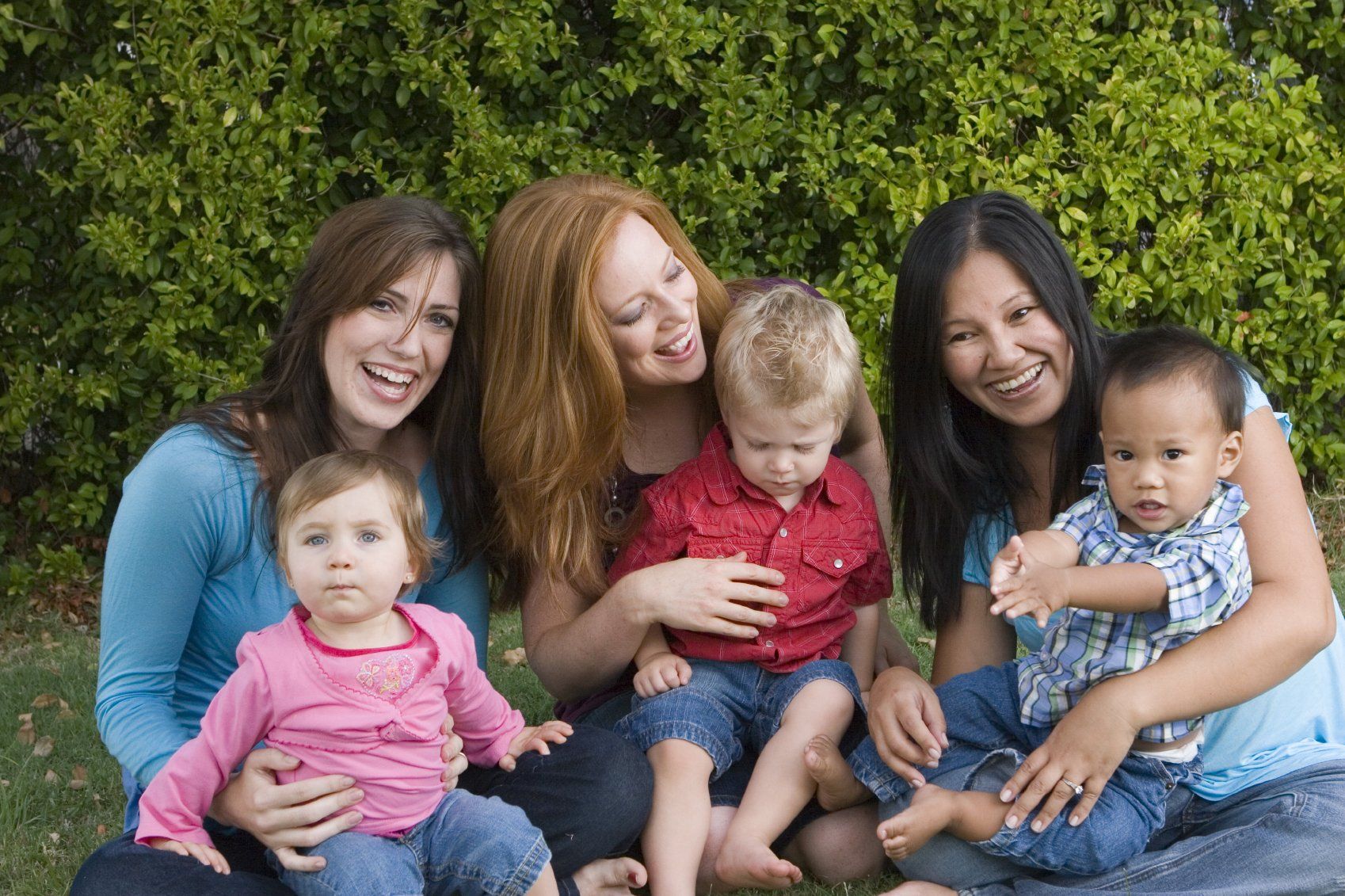
Reassuring new parents that things do get better as your baby and toddler gets older. Includes tips on how to get through those tough early days.